
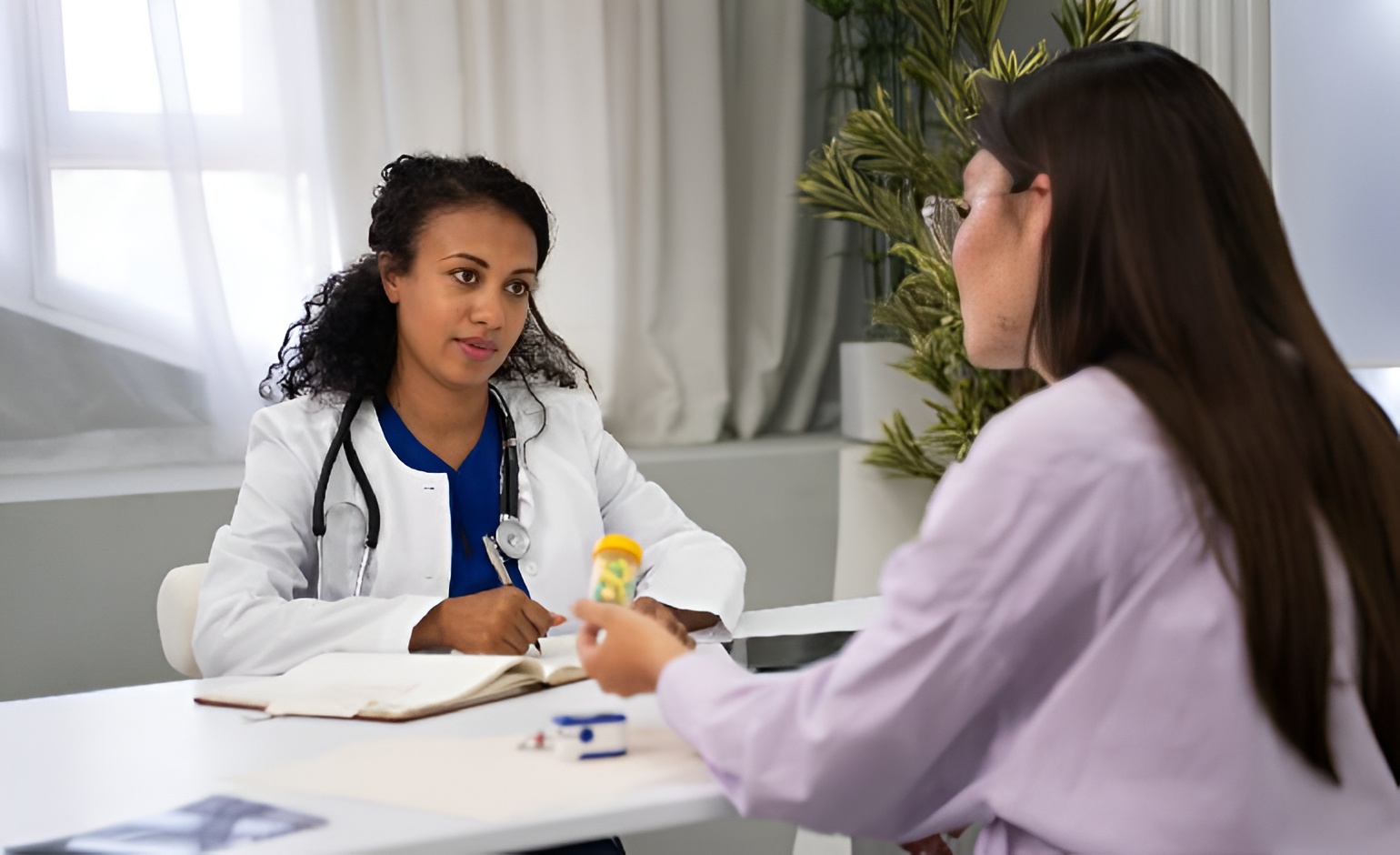
Women’s mental health
Women’s mental health is recognized as a distinct field influenced by unique biological, social, and systemic factors across the lifespan.
- Hormonal Milestones: Biological transitions such as puberty, pregnancy, postpartum changes, and menopause significantly affect brain chemistry and emotional regulation.
- Reproductive Disorders: Conditions such as Postpartum Depression and Premenstrual Dysphoric Disorder (PMDD) present unique challenges that require specialized clinical care.
- Higher Anxiety Rates: Research shows that women are statistically twice as likely as men to be diagnosed with anxiety disorders and generalized depression.
- The "Double Burden": Societal expectations often require women to manage career responsibilities alongside a disproportionate share of domestic and caregiving duties.
- Trauma Sensitivity: Women experience higher rates of certain forms of trauma, including domestic violence, which can contribute to complex post-traumatic stress disorder (PTSD).
- Diagnostic Bias: Studies in 2026 highlight that women’s pain and mental health symptoms are sometimes minimized, making self-advocacy within healthcare systems essential.
- Perimenopause Shift: Growing awareness in 2026 emphasizes the “midlife mental health dip” linked to fluctuating estrogen levels during the perimenopausal transition.
- Support Networks: Women often benefit from community-based healing approaches and peer support groups that focus on shared experiences and emotional validation.
- Holistic Recovery: Effective treatment combines medical care with therapy, lifestyle adjustments, and addressing social factors such as financial stability.
